
Sodium hexametaphosphate CAS#10124-56-8
High Water Solubility: Sodium hexametaphosphate dissolves well in water, making it suitable for various aqueous formulations and industrial processes.
Stable Polymer Structure: As a sodium metaphosphate polymer, it provides stable chemical performance in multiple applications.
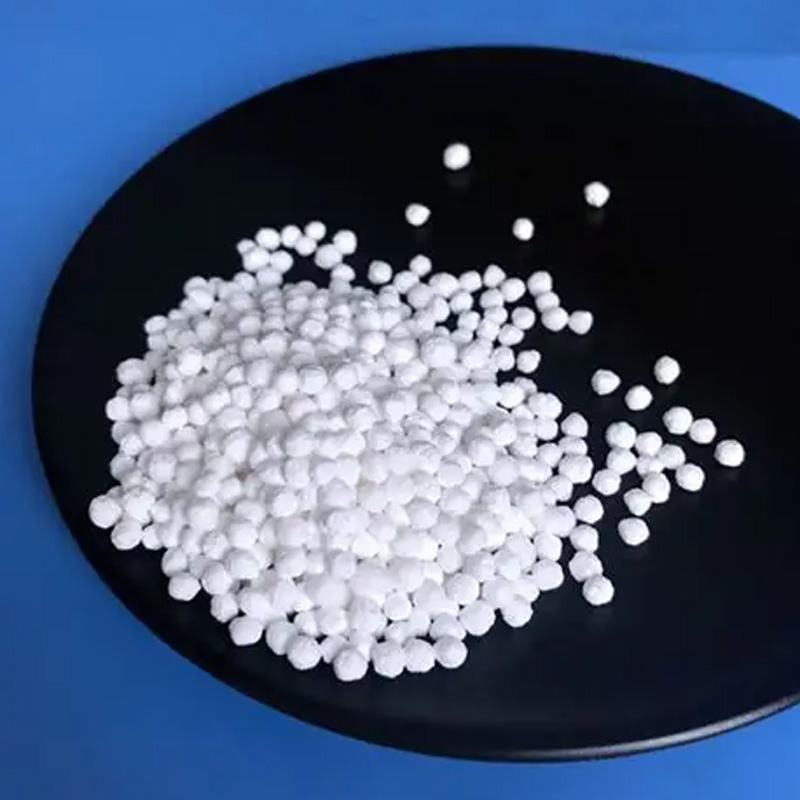
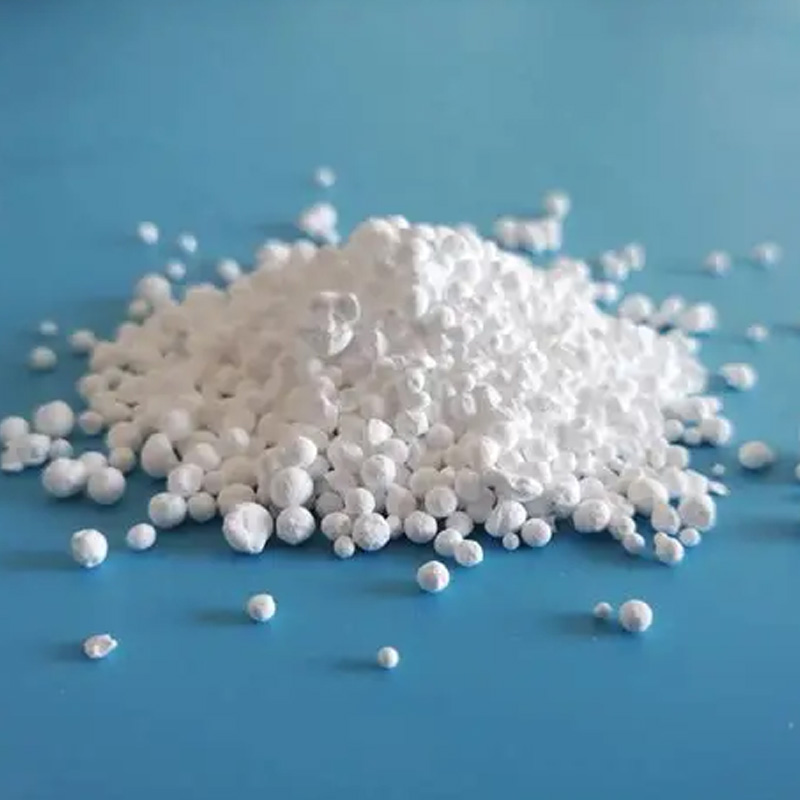
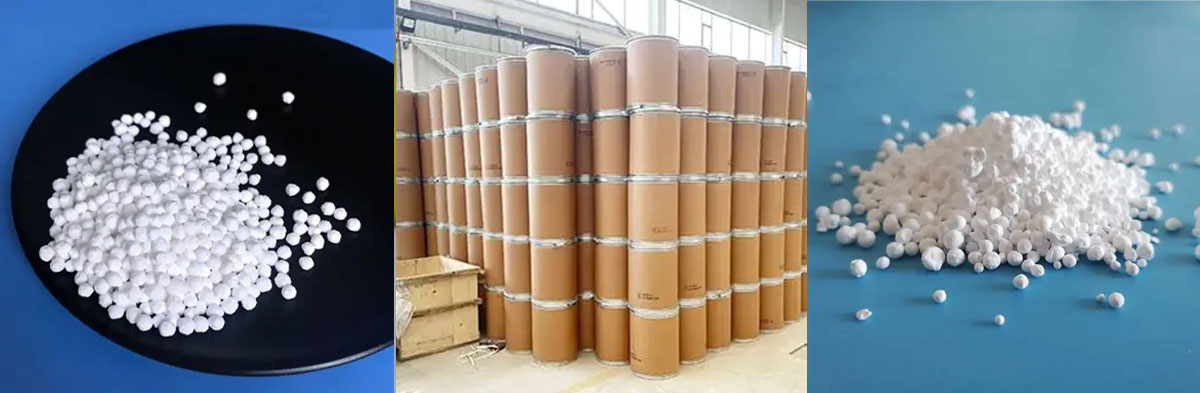
Flexible Physical Forms: It is available as a colorless glass-like solid or white powder, allowing convenient handling and processing.
Functional Acidic Aqueous Solution: Its aqueous solution exhibits mild acidic properties, enabling effective use in chemical and industrial formulations.
Product Description of Sodium Hexametaphosphate CAS# 10124-56-8
Sodium hexametaphosphate is a type of sodium metaphosphate polymer. It is also known by several other names, including polyvinylidene sodium, sodium polymetaphosphate, sodium metaphosphate vitreous body, and Graham’s salt.
This compound appears as a colorless, transparent glass-like solid or a white powder. It has good solubility in water, although the dissolution process occurs relatively slowly. When dissolved in water, the resulting solution exhibits slightly acidic properties.
Parameters
| Melting point | 616℃ |
| Boiling point | 1500℃ |
| density | 2.181 |
| FEMA | 3027 | SODIUM HEXAMETAPHOSPHATE |
| refractive index | 1.482 |
| RTECS | OY3675000 |
| storage temp. | 2-8°C |
| form | Solid |
| color | White |
| Odor | odorless |
| Water Solubility | Soluble in water. Insoluble in organic solvents |
| Stability: | Stable. Keep dry. |
| InChIKey | INSNVPUOJJTBAL-UHFFFAOYSA-H |
| CAS DataBase Reference | 10124-56-8(CAS DataBase Reference) |
| EPA Substance Registry System | Sodium hexametaphosphate (10124-56-8) |
| Safety Statements | 24/25 |
| WGK Germany | WGK 1 slightly water endangering |
| TSCA | Yes |
| HS Code | 2835390000 |
| Hazardous Substances Data | 10124-56-8(Hazardous Substances Data) |

Product Application of Hydroquinone CAS# 123-31-9
Hydroquinone is widely used in analytical chemistry for the colorimetric determination of elements such as phosphorus, magnesium, niobium, copper, silicon, and arsenic. It is also applied in polarographic and volumetric analysis for the determination of iridium.
In addition, hydroquinone functions as a reducing agent for heteropoly acids as well as for copper and gold. It is used in the detection and testing of substances including phosphate, tungstate, nitrate, nitrite, selenium, and tellurium.
Furthermore, hydroquinone is used as a photographic developer, antioxidant, and desulfurizing agent in the fertilizer industry, and it can also act as a urea synergist in related applications.